what should i eat during diverticulitis attack Diverticulitis diet – what you should eat and avoid
When it comes to managing diverticulitis, proper nutrition plays a key role. A well-balanced diet can help alleviate symptoms and promote overall digestive health. In this article, we explore the foods that you should include in your diverticulitis diet, as well as those you should avoid.
What Foods Should You Eat?
Following a diverticulitis diet involves consuming foods that are rich in fiber and easily digestible. These include:
- Fruits and Vegetables
Fruits and vegetables are essential components of a healthy diet. They provide important vitamins, minerals, and antioxidants that support digestive health. Opt for soft, cooked, or canned options, as they are easier to digest. Some great choices include:
 - Apples
- Bananas
- Carrots
- Spinach
- Whole Grains
Whole grains are packed with fiber, which helps regulate bowel movements and prevent constipation. Include the following in your diverticulitis diet:
 - Whole wheat bread
- Brown rice
- Quinoa
- Lean Proteins
Proteins play a vital role in repairing and building tissues. Opt for lean sources of protein, such as:
- Skinless poultry
- Fish
- Legumes
What Foods Should You Avoid?
Certain foods can aggravate diverticulitis symptoms and should be avoided. These include:
- Nuts and Seeds
Nuts and seeds can irritate the diverticular pockets and lead to inflammation. Steer clear of:
- Peanuts
- Almonds
- Poppy seeds
- High-Fat Foods
High-fat foods can be difficult to digest and may worsen symptoms. Limit your intake of:
- Fried foods
- Fatty cuts of meat
- Full-fat dairy products
- Spicy Foods
Spicy foods can cause irritation to the digestive tract. Avoid:
- Hot peppers
- Spicy sauces
- Chili powders
Remember to stay hydrated by drinking plenty of water throughout the day. It is also essential to introduce these dietary changes gradually to allow your digestive system to adjust.
Consult with a healthcare professional or registered dietitian to develop a personalized diverticulitis diet plan that suits your specific needs. They can consider other factors such as your overall health, any underlying conditions, and medications you may be taking.
With the right dietary modifications, you can manage diverticulitis symptoms and promote a healthier digestive system. Make sure to listen to your body and make adjustments as needed.
If you are searching about Diverticulitis diet: Foods to eat and avoid you’ve came to the right place. We have 5 Images about Diverticulitis diet: Foods to eat and avoid like Diverticulitis Diet – What You Should Eat And Avoid | Diverticulitis, Diverticulitis Diet – What You Should Eat And Avoid | Diverticulitis and also Diverticulitis diet: Foods to eat and avoid. Here it is:
Diverticulitis Diet: Foods To Eat And Avoid
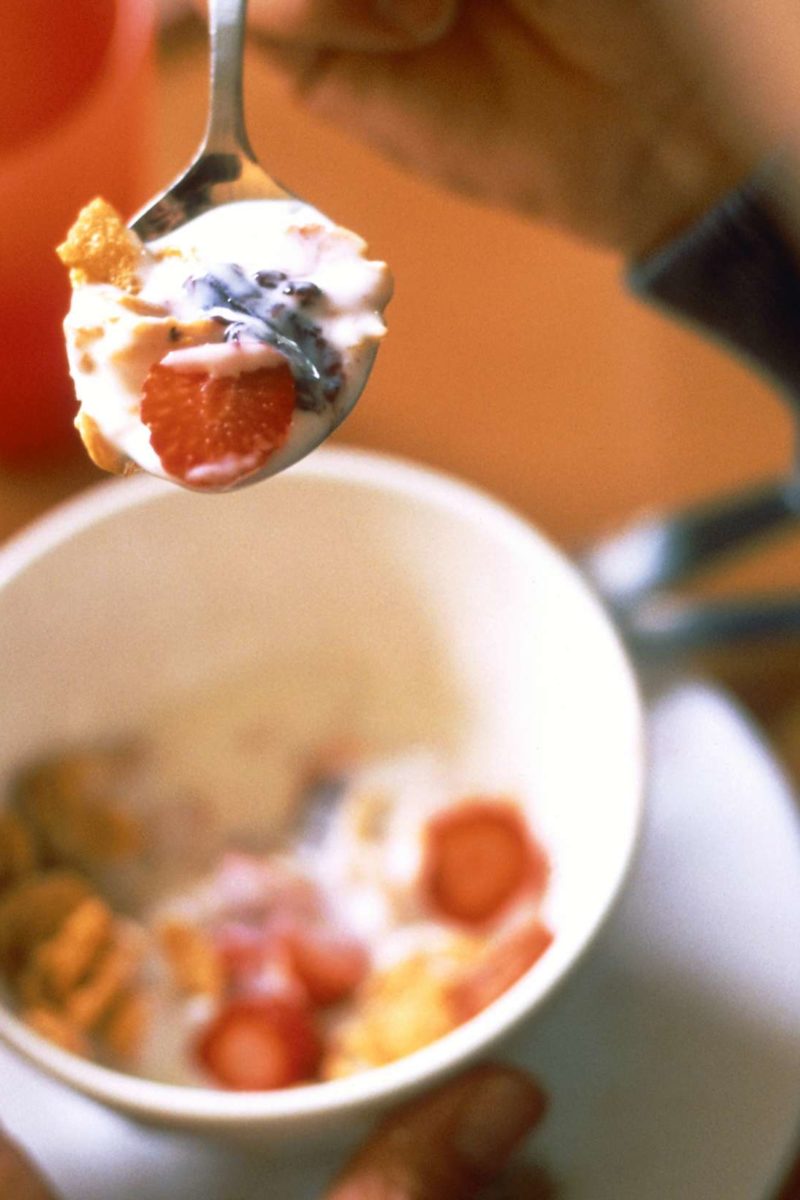 www.medicalnewstoday.comdiverticulitis
Diverticulitis Diet – What You Should Eat And Avoid | Diverticulitis
 www.pinterest.comstylecraze
What Foods Should You Eat — And Avoid — On A Diverticulitis Diet? - Tendig
tendig.comDiverticulitis Diet – What You Should Eat And Avoid | Diverticulitis
www.pinterest.comdiverticulitis diet avoid foods eat should will fiber stylecraze high nutrition diverticulosis choose board
Diverticulitis Diet – What You Should Eat And Avoid | Diverticulitis
 www.pinterest.comdiverticulitis
Diverticulitis diet: foods to eat and avoid. Diverticulitis diet – what you should eat and avoid. What foods should you eat — and avoid — on a diverticulitis diet?